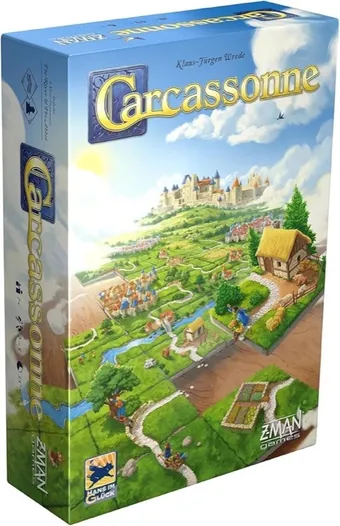
Carcassonne in 60 seconds
Players take turns drawing square countryside tiles and matching roads, cities, and fields to the growing map. Placing a wooden meeple claims a feature for points once completed — and clever tile placement lets you merge into and steal opponents' giant cities.
- Goal
- When the last tile is placed, score unfinished roads, half-value unfinished cities, partial monasteries, and lying Farmers (3 points per completed city touching their field). Highest score wins.
- On your turn
- 3 steps, explained with a diagram below.
- Core mechanics
- Tile Placement · Area Majority · Worker Placement (Meeples)
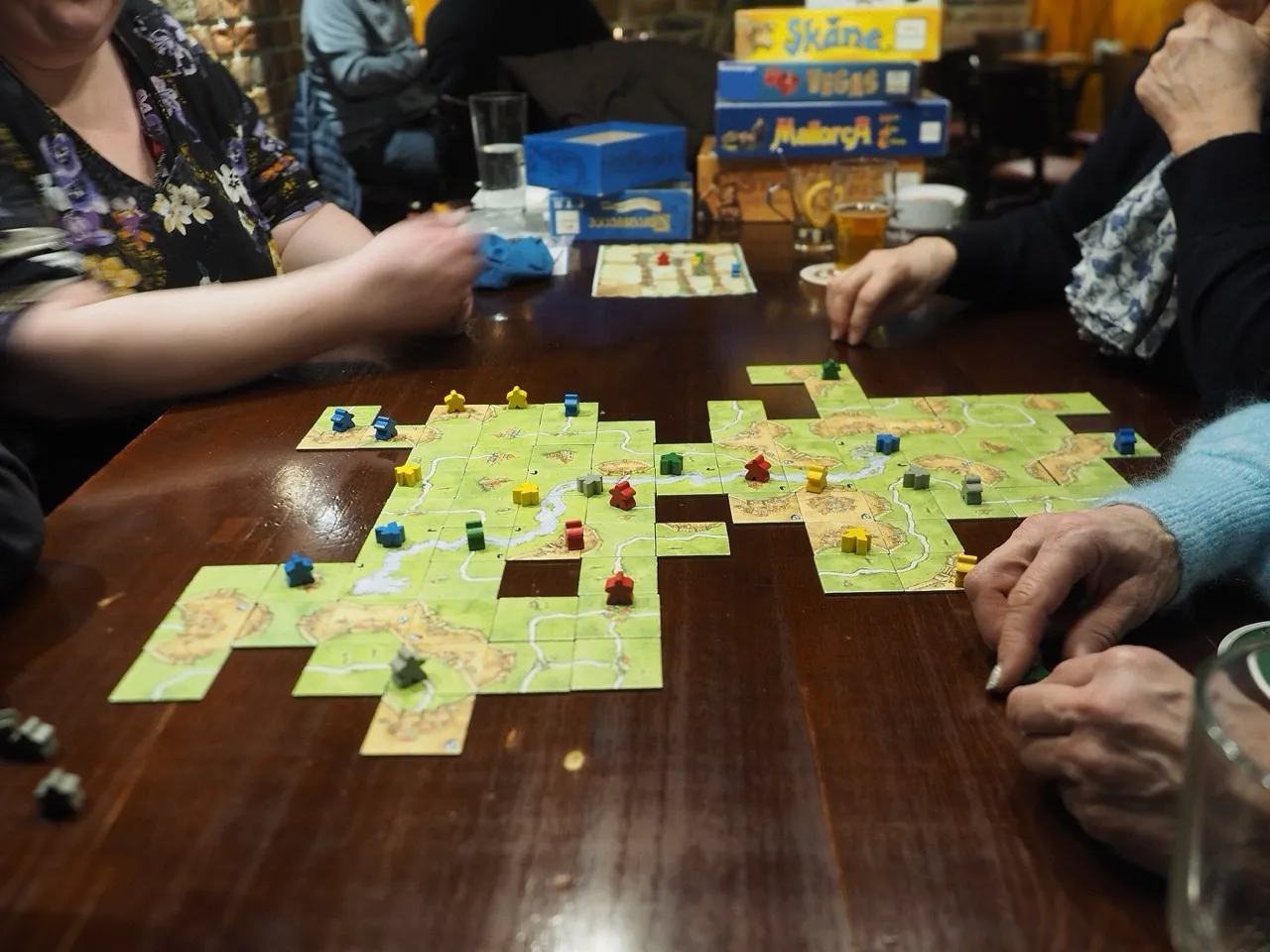
How to set up Carcassonne
- Place the dark-backed Starting Tile in the middle of the table (or build The River starting tiles first).
- Shuffle the remaining 71 land tiles into a few face-down stacks within everyone's reach.
- Give each player 7 wooden meeples in their color (8th meeple starts on space 0 of the scoreboard).
How a turn works in Carcassonne
Every turn in Carcassonne follows the same 3 steps. The diagram shows how they fit together on the table.
- Draw 1 land tile and place it edge-to-edge so all roads, cities, and fields continue seamlessly.
- Optionally place 1 of your available meeples onto a road, city, monastery, or field on the tile you just placed (never directly into a feature another meeple already occupies).
- Score any road, city, or monastery completed by your tile and return those meeples to their owners' hands.
How to win Carcassonne
When the last tile is placed, score unfinished roads, half-value unfinished cities, partial monasteries, and lying Farmers (3 points per completed city touching their field). Highest score wins.
Watch: how to play Carcassonne (video)
Video by Watch It Played on YouTube. Independent creator content, shown as a reference. It is not part of our scoring.
Carcassonne rules people often get wrong
- Placing a meeple directly into a city or road that already contains a meeple — you can only share or steal a feature by placing on a separate tile and later connecting them.
- Returning lying Farmers before the end of the game — Farmers stay stuck on the board until final scoring.
- Forgetting that a 2-tile completed city scores 4 points (2 per tile, same as larger cities in modern rules).
Carcassonne strategy tips for beginners
- Never run completely out of meeples! Keep at least 1–2 in reserve so you can jump onto sudden monastery draws or hijack an opponent's mega-city.
- Don't just build your own huge city — drop a meeple on a nearby single city edge and try to bridge into your rival's city to tie or steal all the points.
- Drop your first Farmer mid-game in a central field bordering 3+ small completed cities; those 9–15 hidden end-game points often swing the match.
- In 2-player games, place awkward tiles next to your opponent's half-finished city to trap their meeple for the rest of the match.
Is Carcassonne right for your group?
Carcassonne is pure tabletop elegance: draw a tile, grow the medieval map, and decide whether to commit one of your precious wooden meeples. It works just as well for a Sunday family afternoon as for a cutthroat 2-player tournament.
Best for: Anyone who wants a fast, tactile map-building classic that scales from cozy family play to razor-sharp 2-player chess.
You'll love it if…
- Zero hand management — draw one tile, place it, optionally place a meeple
- Current base edition includes both The River and The Abbot mini-expansions
- Every completed game produces a unique medieval countryside map
- Effortless to play casually with kids or ruthlessly competitively at 2 players
Think twice if…
- Farmer scoring on connected fields trips up almost every first-time player
- Drawing the exact city tile you need late in the game has a luck element
- Can expand sprawl off the edge of small coffee tables
Which Carcassonne edition & expansions to buy
Start with the base game. Only add an expansion once Carcassonne is hitting the table regularly.
 Start HereCarcassonne Base Game (with River & Abbot)Includes 72 base tiles plus two beloved mini-expansions right out of the box.$30–$38Check price
- Best First ExpansionCarcassonne: Inns & Cathedrals (Expansion 1)Adds the 6th player, giant double-strength meeple, and high-stakes cathedral/inn multipliers.$18–$24Check price
- Best Value BundleCarcassonne Big BoxBundles the base game plus 11 expansions in one storage box for fans who already know they love tile-laying.$75–$90Check price
Prices are typical street prices and change often. As an Amazon Associate we earn from qualifying purchases.
What Carcassonne feels like at the table
Carcassonne is pure tabletop flow. Because you only hold one tile at a time — draw it, connect it to the growing French countryside, and decide whether to commit a wooden meeple — turns fly around the table in seconds. By the end of the match, a sprawling quilt of walled cities, winding roads, and monasteries covers the table.
Player-count sweet spot
Two players is legendary among hobbyists for tight city-stealing duels, while three and four players deliver breezy, cozy map-building in 40 minutes. Five players works fine, though you take fewer turns per player unless you add extra tiles from Inns & Cathedrals.
Buying & expansion path
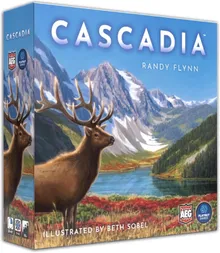
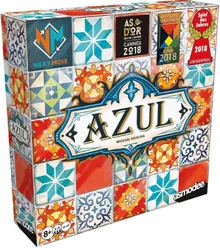
Start with the Carcassonne Base Game (with River & Abbot included). When you want more tiles and a 6th player, Inns & Cathedrals is universally considered the #1 expansion. Enjoy tile-laying puzzles? Check out Cascadia and Azul next.
Carcassonne rules FAQ
How many players can play Carcassonne?
How long does Carcassonne take to play?
How do you win Carcassonne?
Is Carcassonne hard to learn?
What age is Carcassonne for?
Does the current Carcassonne base game include expansions?
Should beginners play with Farmers on their first game?
Is Carcassonne better with 2 players or 4–5 players?
Official rules & more Carcassonne resources
- Z-Man Games Official Carcassonne Page ↗Official RulesOfficial modern rules including The River and The Abbot mini-expansions.
- Carcassonne on BoardGameGeek ↗Database & ForumsComplete tile-distribution charts, expansion rankings, and tournament rules.
- Carcassonne on Board Game Arena ↗Play OnlineHuge competitive ladder with automated farm-field highlighting.
- WikiCarpedia (Complete Annotated Rules) ↗Strategy & WikiThe ultimate community-maintained rules encyclopedia for base Carcassonne and every expansion.
Sources: zmangames.com · boardgamegeek.com
Carcassonne also appears in: Best Board Games for Thanksgiving & Big Family Gatherings (2026)