Best Board Games for Kids: A Beginner's Guide by Age (2026)
Our top picks
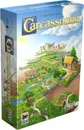 8.8Price tier: Under $35Check price on Amazon
 Best family game, ages 8+Ticket to Ride2–5 players · 45–60 min · Weight 1.8/5 · Set collection & routes9.0Price tier: StandardCheck price
 Best no-reading puzzle, ages 8+Azul2–4 players · 30–45 min · Weight 1.8/5 · Tile drafting & patterns9.1Price tier: Under $35Check price
 8.9Price tier: Under $35Check price
If you want one answer: buy Hoot Owl Hoot for ages 4 to 5, Ticket to Ride: First Journey for ages 6 to 7, and Carcassonne or Ticket to Ride once the youngest player is 7 or 8. Those four cover the ages where most families actually get stuck.
The four games in the top-picks box are the school-age picks we teach on this site, with full how-to-play guides. Younger children need different boxes. Those games are not in our catalog, so the age, player count, and play time below come from the publisher pages linked at the end. A publisher’s minimum age is a starting point. It is the age the game was designed for, and it is also a safety guide when the box warns about small parts.
Carcassonne is the youngest game in our how-to-play library. The three games before it are publisher kids' editions, drawn here as simple shapes rather than the real box art.
Kids’ board games at a glance
| Game | Ages | Players | Play time | Works well because |
|---|---|---|---|---|
| My First Orchard | 2+ | 1–4 | 10 min | A first cooperative game, with big wooden fruit |
| Zingo | 4+ | 2–6 | ~20 min | Picture matching for pre-readers, up to 6 players |
| Hoot Owl Hoot | 4+ | 2–4 | 15 min | Cooperative, three steps per turn, no reading |
| Outfoxed | 5+ | 2–4 | 20 min | Cooperative mystery, almost no text |
| Dragomino | 5+ | 2–4 | 15 min | Tile laying with a clear “match this side” rule |
| Rhino Hero | 5+ | 2–5 | 5–15 min | A stacking game for kids who will not sit still |
| My First Carcassonne | 4+ | 2–4 | 30 min | The same tile-laying idea as Carcassonne, without score math |
| Ticket to Ride: First Journey | 6+ | 2–4 | 15–30 min | The family classic, shortened for kids |
| Spot It! Classic | 6+ | 2–8 | Under 15 min | The one pick that fits a big kids’ table |
| Kingdomino | 8+ | 2–4 | 15 min | A 15-minute kingdom puzzle adults enjoy too |
| Carcassonne | 7+ | 2–5 | 30–45 min | Draw a tile, place it, maybe place a meeple |
| Ticket to Ride | 8+ | 2–5 | 45–60 min | Three actions on a turn, and it seats five |
| Azul | 8+ | 2–4 | 30–45 min | Colors and patterns, almost no reading |
| Pandemic | 8+ | 2–4 | 45 min | The team wins or loses together |
Carcassonne, Ticket to Ride, Azul, and Pandemic use the figures in our catalog. Every other row uses the publisher’s own listing. Play time is the publisher’s estimate for people who already know the game. The first play with kids runs longer.
Linked names have a full rules guide on this site. A 4-year-old's good game is the short green and blue bars.
How to choose a board game for a child
Three numbers on the box decide whether the game gets played this week.
Age. Buy for the youngest child who will sit at the table, not the oldest. An 8-year-old can play a 4+ game and still have fun. A 4-year-old cannot play an 8+ game just because a sibling wants to. When the ages in your house span more than about three years, keep two games out: one the youngest can lead, and one the older kids play after the youngest is done.
Players. Most kids’ games stop at 4. That is fine for one child and a parent, or two kids and two adults. It is the wrong box for a birthday party of six. Spot It Classic is the pick that actually seats a crowd. Zingo goes to 6. Rhino Hero goes to 5. Everything else in the younger sections is 2 to 4.
Time. A 4-year-old’s good game is over in 10 to 15 minutes. A 7-year-old can handle 30 to 45 if the turns are short. If the box says 60 minutes or more, save it for later. Stop the first session while they are still asking for another round.
Two more filters matter as much as the numbers:
- Reading. Under about age 7, pick pictures, colors, and wooden pieces. Zingo pairs a picture with a word, which is useful for early readers. Codenames, at age 10 and up in our catalog, needs a real vocabulary.
- Winning and losing. Cooperative games are kinder for ages 4 to 6. Light competition is fine from about 7, as long as players are not eliminated. A child who is out of the game and watching everyone else finish will not ask to play again.
Our Board Game Finder filters the 25 games we teach by player count and time. It does not include the preschool boxes below, because those are not in the catalog.
The full Ticket to Ride and Carcassonne turns are drawn step by step on their how-to-play pages. First Journey uses the same match-a-color idea in a shorter game.
Ages 2 to 4: first games
At this age the goal is turn-taking, colors, and finishing a game. One decision per turn is enough. Big pieces matter more than clever rules.
My First Orchard: the best first board game
HABA’s My First Orchard (also sold as My Very First Games: First Orchard) is a cooperative race against a raven. Players roll a color die and harvest wooden fruit into a basket before the raven reaches the orchard. HABA lists it at ages 2 and up, 1 to 4 players, and about 10 minutes, so a child can play it with one parent or even alone.
Why it works:
- The pieces are chunky wood, sized for small hands.
- Everyone is on the same team, so there is no last place.
- A round is short enough to play twice before snack time.
It will be too simple by age 5 or 6. That is the point of a first game. Check My First Orchard on Amazon.
Zingo: best when more than four kids are playing
ThinkFun’s Zingo is picture bingo. A slider pops two tiles out of a dispenser, and players match the picture to their card and shout “Zingo” for a full card. Ravensburger’s ThinkFun page lists ages 4 and up, 2 to 6 players, and about 20 minutes, with two board sizes and two levels.
It is the right pick when you have five or six young kids, because almost nothing else at this age seats that many. The pictures mean a pre-reader can play, and the words on the tiles give early readers something to practice. It is a race, so it is louder than My First Orchard. Check Zingo on Amazon.
Hoot Owl Hoot: best cooperative game for ages 4 and 5
In Hoot Owl Hoot, the table works together to fly owls back to the nest before the sun rises. The rule sheet lists ages 4 and up, 2 to 4 players, and 15 minutes. On your turn you play one card, move an owl or the sun, and draw a new card. Sun cards must be played, which is the whole turn.
Why families stick with it:
- The rules fit in three steps, and the cards stay face up so everyone can help.
- You may move any owl, so a child can make a move that helps the next player. The rules call that out as part of the game.
- Beginner, intermediate, and challenge levels change how many owls you have to save, so the same box lasts.
The rule sheet warns of small parts and says it is not for children under 3. Follow that. Check Hoot Owl Hoot on Amazon.
Ages 5 to 7: short games with a real choice
Kids this age can follow a rule and still melt down if the game runs long or if they are eliminated. Every pick here finishes in half an hour or less.
Outfoxed: best mystery for ages 5 and up
Outfoxed is a cooperative whodunit. A fox stole the pie, and the table gathers clues and uses a decoder to rule out suspects before the thief escapes. Gamewright lists ages 5 and up, 2 to 4 players, and 20 minutes. The skills it calls out are cooperation, deduction, and visual matching, so a child who is not reading yet can still play.
It is a good step up from Hoot Owl Hoot because the group has to remember which suspects are already cleared. An adult can ask “which clues do we still need?” without taking the turn away. Check Outfoxed on Amazon.
Dragomino: best introduction to “modern” games
Dragomino is the children’s version of Kingdomino, from the same publisher. Each turn you take a landscape domino, add it to your kingdom so a side matches, and collect an egg for every match. Some eggs hide a baby dragon. Blue Orange lists ages 5 and up, 2 to 4 players, and 15 minutes. It won the 2021 Kinderspiel des Jahres, the children’s game of the year award.
There is a winner, and that is fine at this age, because the game is over before anyone has time to feel stuck. The pieces are the lesson: matching edges is the same idea behind Carcassonne, Azul, and a lot of games you will play later. Check Dragomino on Amazon.
Rhino Hero: best for kids who fidget
Rhino Hero is a stacking game. Players add wall cards and roof cards to a tower, then move a wooden rhino up the building. One shaky card brings it down. HABA lists ages 5 and up, 2 to 5 players, and 5 to 15 minutes.
Buy it when a sit-down puzzle is the wrong call: after school, at a restaurant, or with a group that includes a 5-year-old and a 9-year-old. The younger child can win by having steadier hands. The tower will fall. That is the game, so play it where a collapse is funny rather than a crisis. Check Rhino Hero on Amazon.
My First Carcassonne: best bridge to the real game
Z-Man’s My First Carcassonne keeps the tile-laying of Carcassonne and drops the score track. You place a tile to build the town, and when you close a street that shows your color, you put pawns on the board. The first player to place all of their pawns wins. Z-Man lists ages 4 and up, 2 to 4 players, and 30 minutes.
Thirty minutes is long for a 4-year-old and comfortable for a 6- or 7-year-old. If your child already likes My First Carcassonne, the full game is the natural next box, with one change: skip the Farmers rule on the first play. Our how-to-play page says that rule is the part that trips up new players. Check My First Carcassonne on Amazon.
Ticket to Ride: First Journey: best at ages 6 and 7
First Journey is the short version of Ticket to Ride. Players still collect train cards and claim routes to connect cities. Days of Wonder lists ages 6 and up, 2 to 4 players, and 15 to 30 minutes. The designer’s note on that page says adults can finish in about 10 minutes, kids often take 20 to 30, and some 4- and 5-year-olds can play with a grown-up helping. The age on the box is still 6+.
Choose First Journey when the full game’s 45 to 60 minutes and five-player map are more than your table wants. Choose the full Ticket to Ride when you regularly have five people, or when the kids are 8 and up and you want a game the adults will request. Check Ticket to Ride: First Journey on Amazon.
Spot It: best for a big group of kids
Most games in this guide cap at 4 or 5 players. Spot It (Dobble in some countries) is the exception for a party. Each card shows symbols, any two cards share exactly one match, and you race to call it. Asmodee lists the Classic edition at ages 6 and up, 2 to 8 players, and under 15 minutes.
The same Asmodee overview lists younger editions with different ages: Spot It! 1-2-3 at ages 3 and up, and Spot It! Animals at ages 4 and up. Buy the edition that matches the youngest player. Classic is the one for a mixed group of school-age kids. Rounds are short, so you can play it while dinner finishes. Check Spot It Classic on Amazon.
Hoot Owl Hoot, My First Orchard, and Outfoxed are the shared-board games. Carcassonne, Azul, and Ticket to Ride are the separate-board games, and none of them knock a player out.
Ages 7 to 10: games the adults will play too
This is where the games we teach take over. The boxes below are in our catalog, with rules guides, and the numbers are our catalog figures. They are also the right Christmas and birthday gifts once you are past “a game for little kids” and into “a game the household keeps.”
Carcassonne: best first modern game at age 7
Carcassonne is the youngest game in our catalog, listed at age 7 and up. You draw one tile, place it so the roads and cities match, and you may place one meeple. There is no hand of cards to manage. It plays 2 to 5 people in 30 to 45 minutes, and the typical price in our data is about $30 to $38.
For a first game, skip Farmers. Add them the second time, along with The River if your edition includes it. The map can sprawl, so use a real table. Our how to play Carcassonne guide walks through setup, a turn, and the rules new groups miss. Check Carcassonne on Amazon.
Ticket to Ride: best all-family game at age 8
On your turn in Ticket to Ride you do one of three things: draw train cards, claim a route, or draw destination tickets. Our catalog lists age 8 and up, 2 to 5 players, 45 to 60 minutes, and a typical price of about $44 to $55. It is the game we recommend most often for mixed-age families, including in our Thanksgiving gatherings guide and our Christmas gift guide.
Two rules to say out loud before the first game: everyone keeps at least two destination tickets at the start, and unfinished tickets lose points at the end. With 2 or 3 players, only one side of a double route can be claimed. The full rules are in our how to play Ticket to Ride guide. Check Ticket to Ride on Amazon.
Azul: best when you want color, not text
Azul is a tile-drafting puzzle for 2 to 4 players, ages 8 and up, in 30 to 45 minutes. You take colored tiles from shared plates and fit them onto your board. Extra tiles you cannot place cost points. Our catalog lists a typical price of about $30 to $40, and a complexity of 1.8 out of 5, the same weight as Ticket to Ride.
It is the pick for a kid who likes puzzles and patterns more than stories, and for a table where someone is still building reading confidence. It only seats four, so it is a poor birthday-party game and a great weeknight game. Check Azul on Amazon.
Kingdomino: best 15-minute game for ages 8 and up
Kingdomino is Dragomino’s older sibling. You draft a domino, add it to a 5 by 5 kingdom, and crowns multiply the size of a connected terrain at the end. Blue Orange lists ages 8 and up, 2 to 4 players, and 15 minutes. The clever part is turn order: taking the stronger domino this round means you pick later next round.
We do not have a how-to-play page for it. The rules really are “match a terrain, finish a 5 by 5 grid, score crowns.” It is the game to pull out when you have 15 minutes and the full Ticket to Ride would run past bedtime. Check Kingdomino on Amazon.
Pandemic: best cooperative game once kids are 8
Pandemic is cooperative. The whole table is a disease-control team trying to cure four diseases before outbreaks spread. Our catalog lists age 8 and up, 2 to 4 players, about 45 minutes, and a typical price of about $34 to $45. Complexity is 2.4 out of 5, the heaviest game in this guide, so wait until the kids already finish Hoot Owl Hoot or Outfoxed without help.
Two honest caveats from our game page. The theme is a spreading illness, which some families would rather skip. And because hands are open, one confident player can start telling everyone else what to do. Give each child their own role (Medic, Scientist, and so on) and use four Epidemic cards the first time, which our guide calls introductory difficulty. You win by discovering the four cures. You do not have to clear every cube off the map. The full teach is in our how to play Pandemic guide. Check Pandemic on Amazon.
For more team games, see our cooperative and party roundup.
Ages 10 and up: a little more to think about
At 10, many kids can play anything in the gateway guide. Three catalog games are especially good next steps. All three ask for a bit more reading or planning than Azul.
- Cascadia is a calm habitat puzzle for 1 to 4 players, ages 10 and up, in 30 to 45 minutes. Our catalog lists a typical price of about $34 to $42. It also plays solo, which helps an only child. There is no direct attacking. Check Cascadia on Amazon.
- Splendor is a gem-collecting engine for 2 to 4 players, ages 10 and up, in about 30 minutes, typically about $32 to $42. Turns are short: take gems, or buy a card that makes the next card cheaper. Check Splendor on Amazon.
- Codenames is a team word game for 4 to 8 or more players, ages 10 and up, in about 15 minutes, typically about $16 to $22. It needs a comfortable vocabulary, so it is a poor fit for emerging readers. Our catalog points to Codenames: Pictures for tables that would rather match images than words. Check Codenames on Amazon.
If you are building a shelf over a few birthdays rather than buying one box, our learning path shows which games teach which ideas, from drafting to tile laying.
If you can only buy one
| Youngest player | Buy this | Why this one |
|---|---|---|
| 2–3 | My First Orchard | Cooperative, 10 minutes, pieces a toddler can hold |
| 4–5 | Hoot Owl Hoot | Cooperative, 15 minutes, three-step turns |
| 5–6, and they fidget | Rhino Hero | Over in 15 minutes, and it seats five |
| 6–7 | Ticket to Ride: First Journey | The game they will graduate into the full version of |
| 7–8 | Carcassonne | Youngest age in our catalog, 2 to 5 players |
| 8–10, family of up to 5 | Ticket to Ride | Three actions, and adults request a rematch |
| 8–10, two to four puzzle fans | Azul | Almost no reading |
| A crowd of 6 or more | Spot It Classic (6+) or Zingo (4+) | The other boxes will not seat them |
A second game is worth it when the first one and the household disagree. A 4-year-old and an 8-year-old need Hoot Owl Hoot and Carcassonne, not one compromise box that bores one of them.
How to teach a game to kids
The first game goes well or badly in the first three minutes. Read the rules before you sit down. Kids should see you play, not watch you learn.
- Say how you win in one sentence. “We get the owls home before the sun comes up.” “You want to place all of your meeples.”
- Show one turn with the pieces. Do not read the rulebook aloud.
- Play the first round with open hands and let people take a move back.
- Drop the extra rule. Skip Farmers in Carcassonne. Use the beginner owl count in Hoot Owl Hoot. Use four Epidemic cards in Pandemic.
- Stop on a win. A short game played twice beats a long game that falls apart.
Our Rules Teach Script writes that five-step teach for every game in the catalog. The beginner’s guide covers the same idea for grown-ups who are new to modern games. For a family night with several ages, the Game Night Planner can pair a short warm-up with a longer game.
Games that often sit unplayed
A few familiar boxes are fine, and a few are why people decide their kids “don’t like board games.”
- Path games such as Candy Land teach “wait for your turn” and that is useful once. There is no choice on your turn, so kids outgrow them as soon as they can handle Hoot Owl Hoot or My First Orchard.
- Long elimination games, the way many families play Monopoly, leave someone out and then keep going. Pick a game that ends while everyone is still in it. Fifteen to forty-five minutes is the range that gets a second play.
- Anything rated 10 or 14 for a younger child, even if the theme looks perfect. Cascadia and Codenames are wonderful at the age on the box and frustrating below it.
- A five-player game for two people, or a two-player game for a birthday party. Check the player count against the people who will actually be in the room this month.
Bottom line
Buy for the youngest player, and buy a game that ends before they are done with it. My First Orchard for toddlers, Hoot Owl Hoot for ages 4 to 5, Ticket to Ride: First Journey for ages 6 to 7, then Carcassonne and Ticket to Ride for the years after that. Add Spot It or Zingo if the table is bigger than four.
The school-age games all have step-by-step rules on this site, so you can learn the teach before you unwrap the box.
Frequently asked questions
What is the best board game for a 4-year-old?
What is the best board game for a 6-year-old?
What board game can kids and adults play together?
Are cooperative board games better for young kids?
How long should a kids' board game take?
What if I can only buy one board game for my kids?
Sources
- HABA: My Very First Games — First Orchard · checked 2026-11-29 — Ages 2 and up, 1 to 4 players, about 10 minutes, cooperative. Chunky wooden fruit.
- Ravensburger / ThinkFun: Zingo! · checked 2026-11-29 — Ages 4 and up, 2 to 6 players, about 20 minutes. Picture-and-word matching with two board levels.
- Hoot Owl Hoot! rule sheet (Peaceable Kingdom) · checked 2026-11-29 — Ages 4 and up, 2 to 4 players, 15 minutes, cooperative. Small parts; the sheet warns it is not for children under 3.
- Gamewright: Outfoxed! · checked 2026-11-29 — Ages 5 and up, 2 to 4 players, 20 minutes. Cooperative deduction.
- Blue Orange Games: Dragomino · checked 2026-11-29 — Ages 5 and up, 2 to 4 players, 15 minutes. Children's version of Kingdomino.
- Wikipedia: Dragomino · checked 2026-11-29 — Dragomino won the 2021 Kinderspiel des Jahres.
- HABA: Rhino Hero · checked 2026-11-29 — Ages 5 and up, 2 to 5 players, 5 to 15 minutes. Stacking dexterity game.
- Z-Man Games: My First Carcassonne · checked 2026-11-29 — Ages 4 and up, 2 to 4 players, 30 minutes. Tile laying without high-score counting.
- Days of Wonder: Ticket to Ride — First Journey · checked 2026-11-29 — Ages 6 and up, 2 to 4 players, 15 to 30 minutes. The designer notes that 4- and 5-year-olds can play with supervision.
- Asmodee: All About Spot It! · checked 2026-11-29 — Classic edition ages 6 and up, 2 to 8 players, under 15 minutes. Spot It! 1-2-3 is listed at ages 3 and up; Animals at ages 4 and up.
- Blue Orange Games: Kingdomino · checked 2026-11-29 — Ages 8 and up, 2 to 4 players, 15 minutes.
Get new guides by e-mail
One short e-mail when Board Games Intro publishes a new guide. No spam, no sharing your address, and you can unsubscribe in one click.